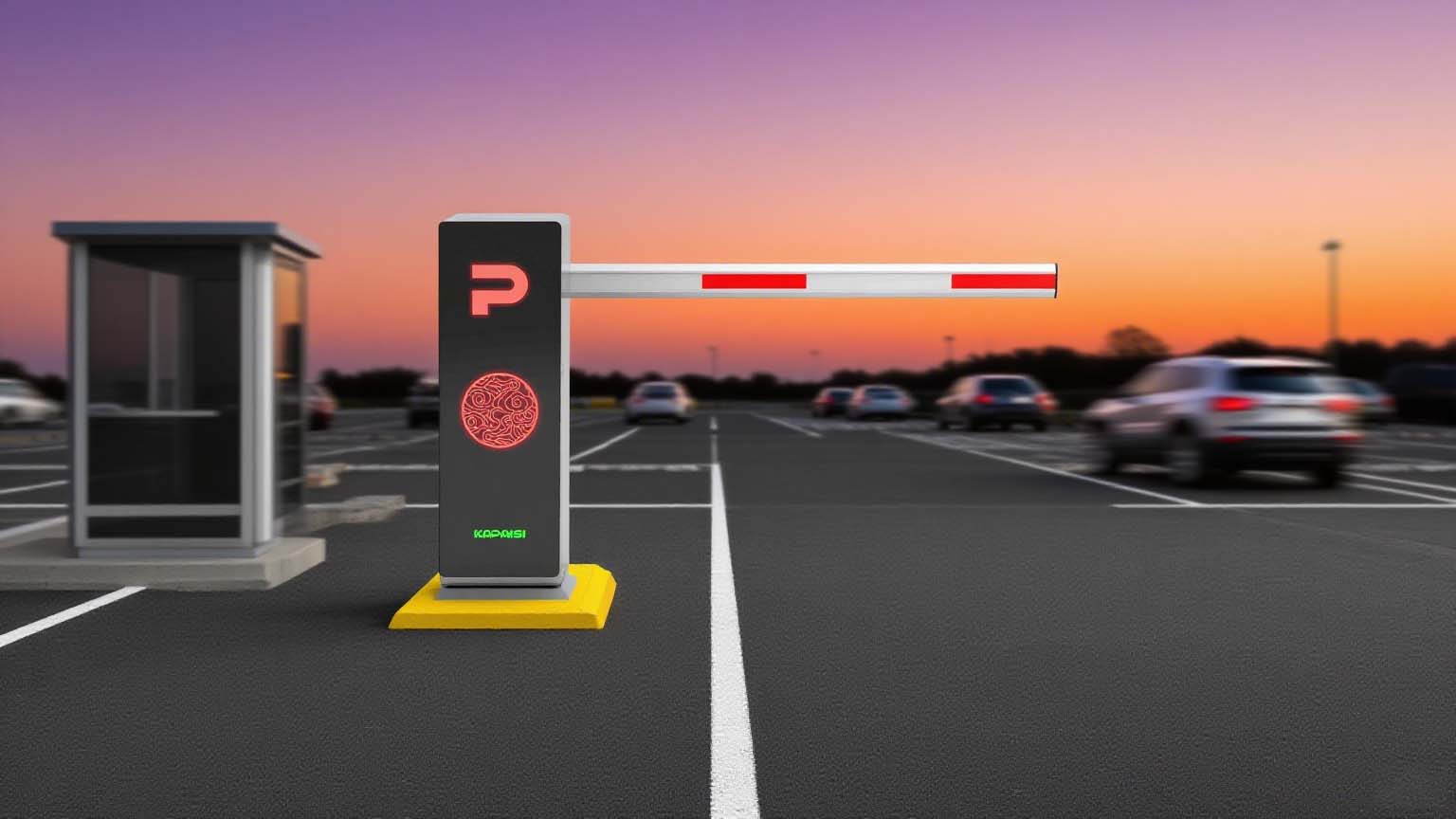

If you’re budgeting for a vehicle barrier gate in 2025—sometimes called a boom barrier, gate barrier, or parking barrier gate—this guide breaks down the real costs, the variables that move the price up or down, and smart ways to spec a system without overspending. It’s written to help facilities managers, integrators, and business owners choose the right gate for parking lots, campuses, industrial sites, toll roads, and gated communities
So are you ready to know about the vehicle barrier gate price in 2025? Let’s get start.
TL;DR: Typical 2025 Price Ranges
- Entry-level vehicle barrier gate (3–4 m arm, light duty):$450–$1,200
- Mid-range automatic barrier (4–6 m arm, medium duty):$1,200–$2,800
- Heavy-duty / high-speed barrier (6–8 m arm, intensive duty):$2,800–$6,500+
- Installation & commissioning:$400–$2,500 (site-dependent)
- Access control & safety accessories:$200–$3,000+ (per lane)
- Annual maintenance budget:$120–$600 (typical; environment & duty cycle matter)
Prices are indicative U.S. dollar ranges for 2025 and vary by brand, region, freight, and specification.
What Is a Vehicle Barrier Gate?
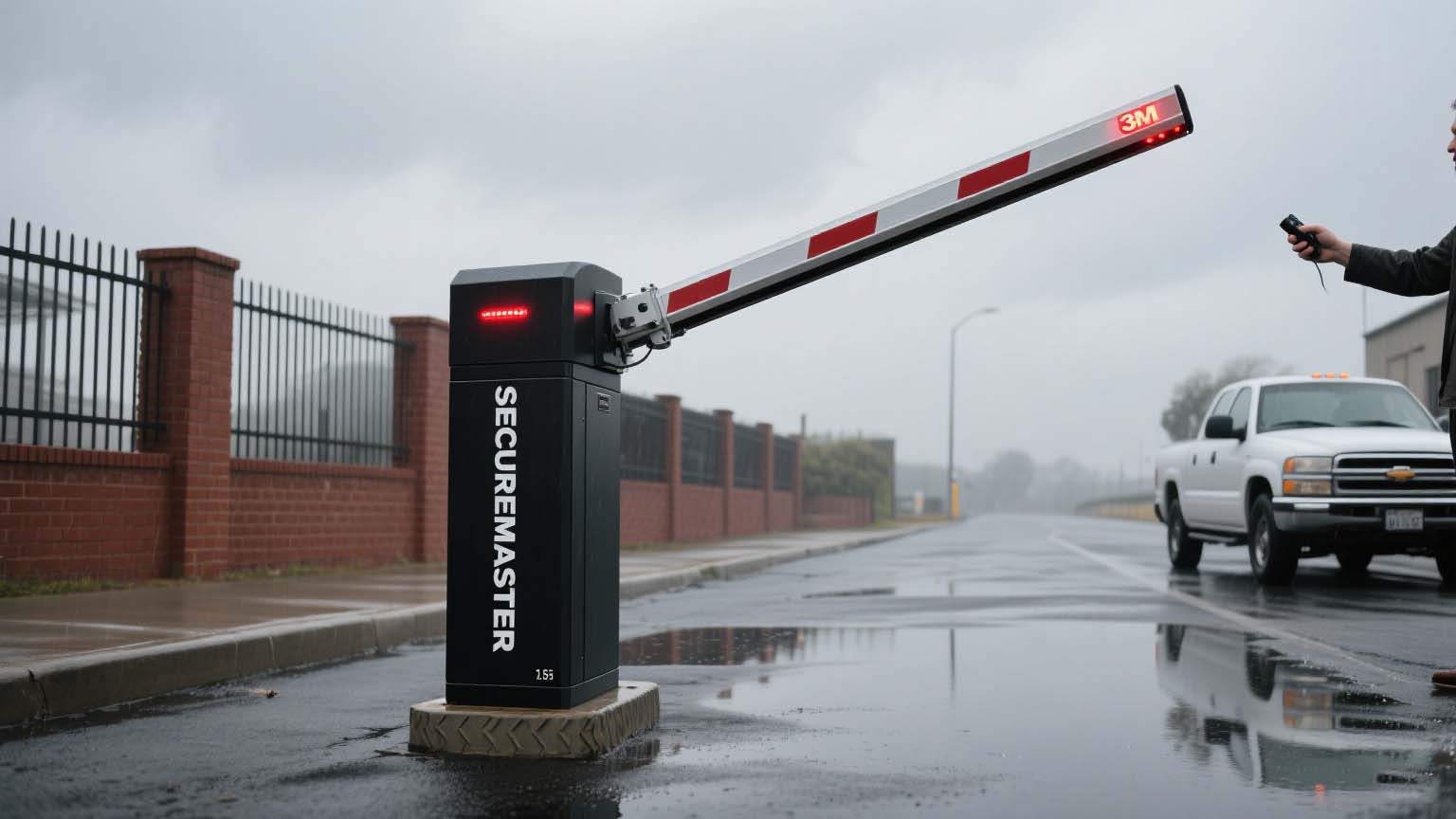
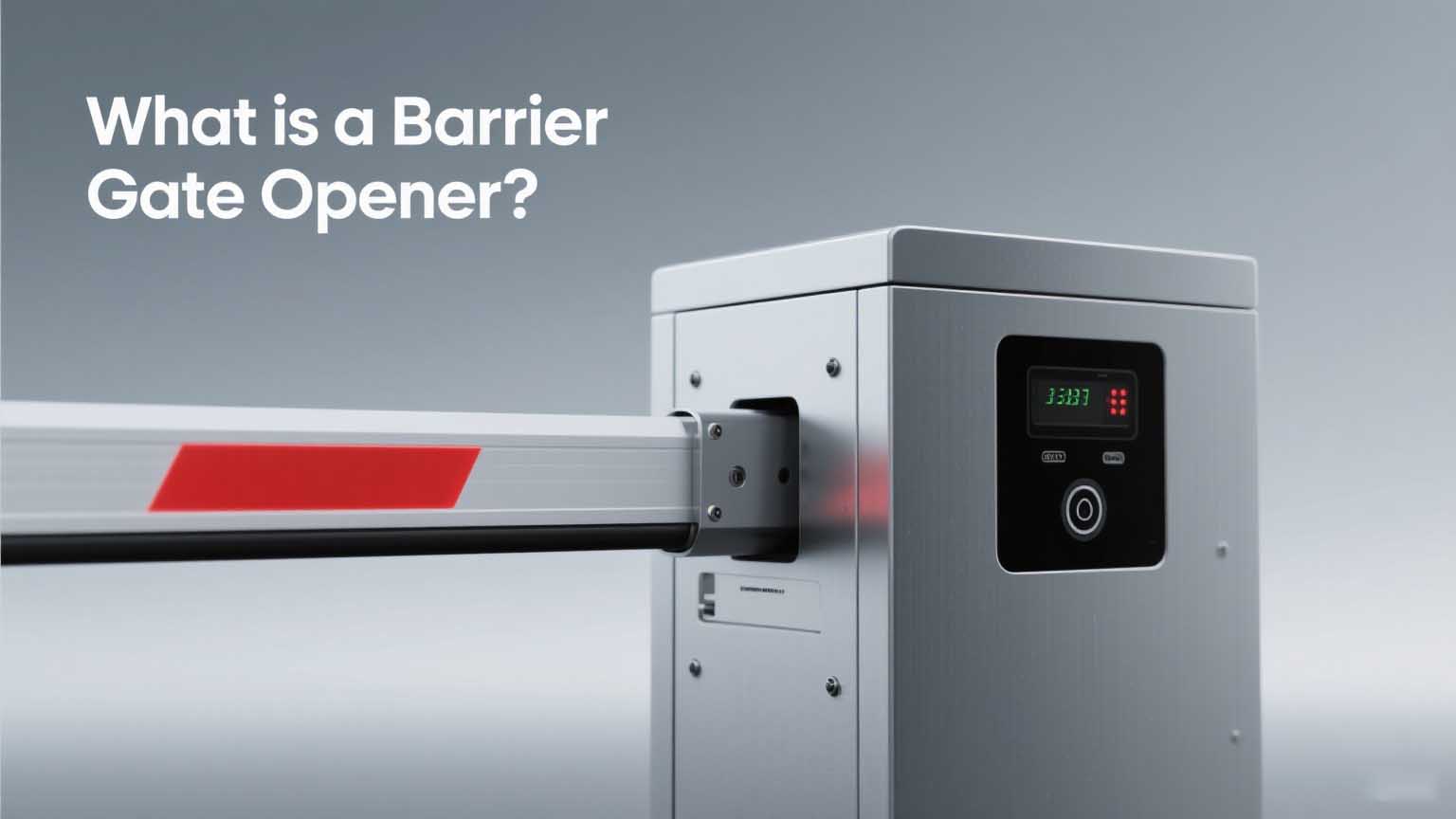
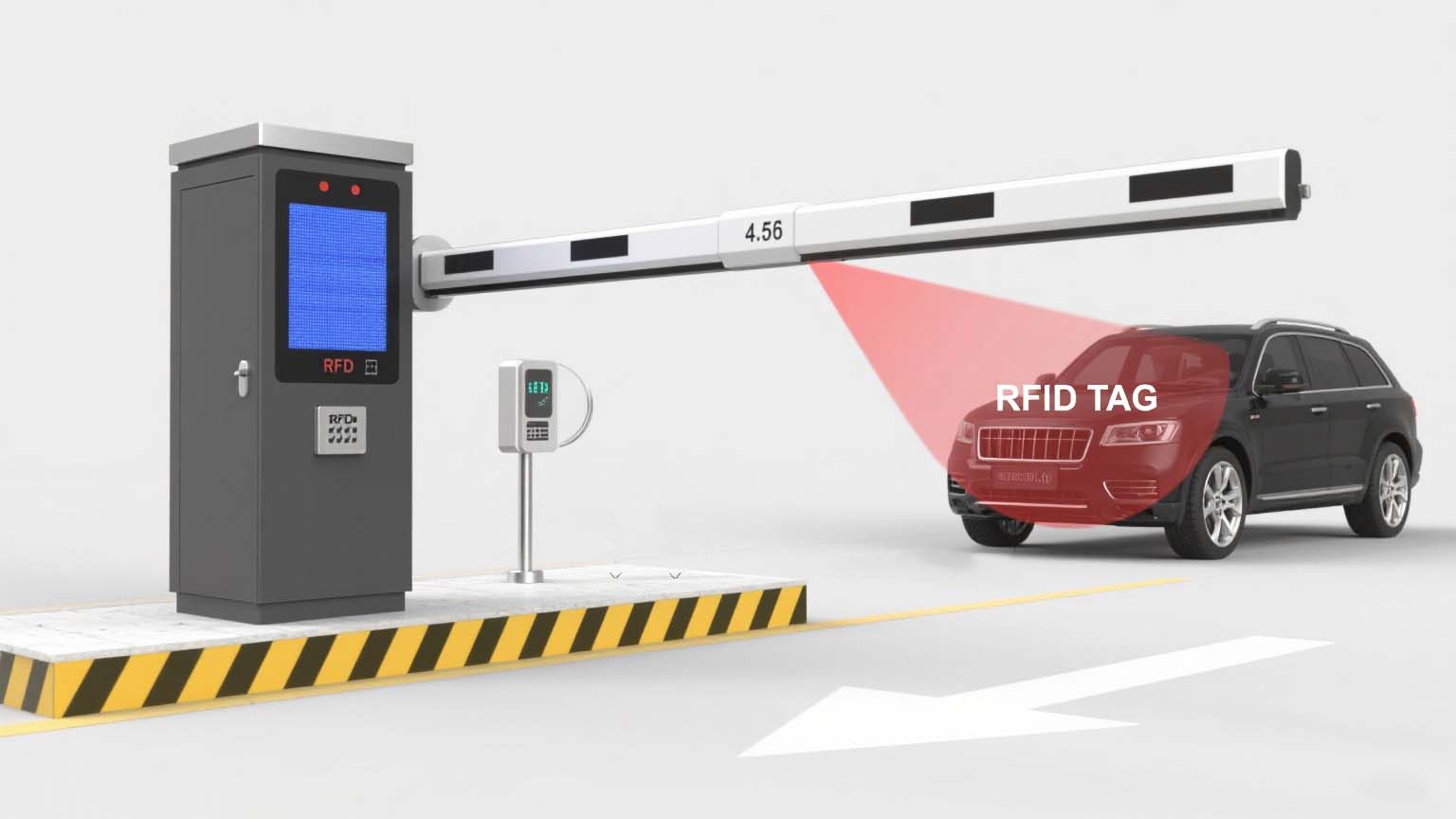
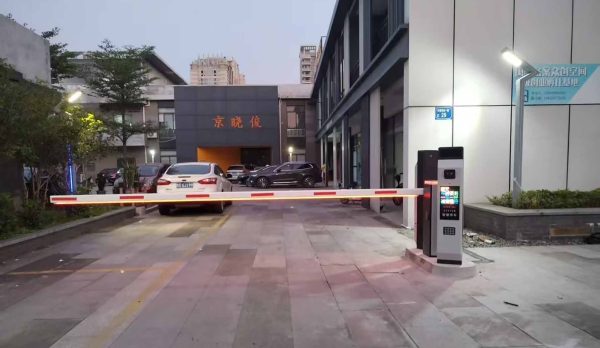
A vehicle barrier gate is an electromechanical device with a horizontal boom arm that raises and lowers to control vehicle access. It’s widely used at parking facilities, industrial entrances, toll roads, ports, and gated communities. Most modern systems integrate with RFID, ANPR/LPR (license plate recognition), ticketing, QR/Barcode, or long-range readers to automate entry and exit and to log events for auditing and revenue.
The 14 Factors That Most Affect Barrier Gate Pricing in 2025
Understanding these variables will help you compare apples to apples when you request quotes.
1. Arm Length & Type
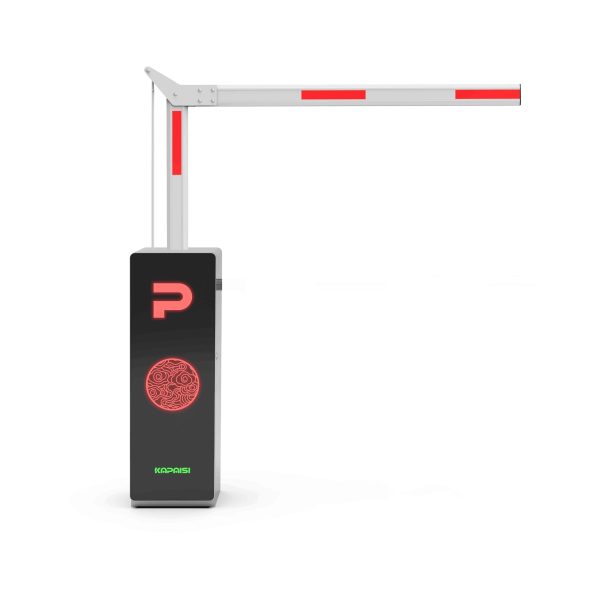
Longer arms (6–8 m) need stronger motors and counterbalancing, increasing cost. Options like folding (articulated) armsfor low ceilings, fence/skirted armsfor anti-pedestrian intrusion, and LED-embedded arms add to price.
2. Duty Cycle & Motor Technology
- Light/medium dutyfor small lots or gated communities.
- Heavy-duty/continuous (100%)for toll plazas, airports, and factories.
- Servo and brushless DC motorscost more but offer smoother motion, faster speeds, longer life, and lower maintenance than AC induction motors.
3. Opening Speed
High-speed barriers (0.6–1.5 s open) command a premium due to stronger drives and better control boards—critical where queues must move quickly.
4. Cabinet Material & Finish
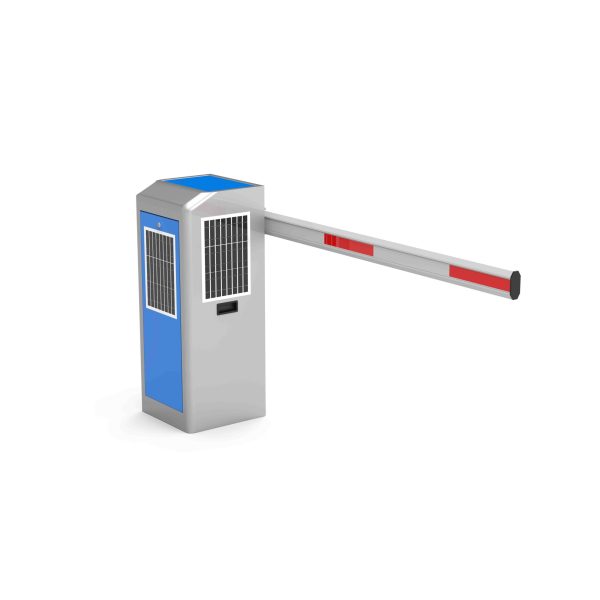
304/316 stainless steelor thick-gauge powder-coated steel with anti-UV and anti-corrosion treatment increases price but lowers long-term costs, especially in coastal or chemical environments.
5. Ingress Protection (IP) & Climate Hardening
HigherIP ratingsand features like heated enclosures, conformal-coated PCBs, and wide-temperature electronics (for freeze or desert heat) add cost.
6. Safety Features & Compliance
Loop detectors, IR/photoelectric beams, rubber arm skirts, soft start/stop, and anti-crush logicreduce liability. Compliance with local safety codes or CE/ULstyle certifications can influence BOM and price.
7. Access Control Integration
Built-in controllers, Wiegand/OSDP, Ethernet, RS-485, relay I/O, or API hooksaffect the control board cost. Adding ticket dispensers, ANPR cameras, intercoms, or payment terminalsincreases total system price (sometimes more than the gate itself).
8. Backup Power & Power Quality
Battery backup/UPS, solar kits, or surge protectionfor unstable grids are extra line items but protect uptime.
9. Traffic Management Logic
Need traffic lights, boom tip sensors, barrier-to-barrier interlocks, or double height readersfor trucks vs. cars? Expect added components and labor.
10. Software & Cloud
Parking/access software licenses (on-prem or cloud),device management, and analytics dashboardscan be one-off or subscription-based costs.
11. Brand, Warranty & Service Level
Premium brands and extended warranties or SLA-based maintenancecost more but may lower downtime costs in high-revenue sites.
12. Installation Complexity
Concrete work, trenching for loops and power, conduit runs, traffic control during works, and permit fees can double or triple install costs compared with a simple slab-and-bolt job.
13. Freight & Lead Time
International freight, expedited shipping, and customs duties affect the landed cost—especially for oversized boom arms and heavy cabinets.
14. Volume & Project Bundling
Multi-lane or multi-site orders often receive better unit pricing and shared mobilization/commissioning savings.
2025 Price Scenarios by Use Case
| Use Case | Typical Spec | Gate Hardware | Accessories | Install | Estimated Total |
| Gated Community Entry | 4 m arm, medium duty, 2–3 s open | $900–$1,600 | $300–$1,000 | $500–$1,200 | $1,700–$3,800 |
| Office Parking Garage | 3–4 m articulated arm, moderate duty | $1,200–$2,200 | $800–$2,000 | $700–$1,800 | $2,700–$6,000 |
| Industrial Plant Gate | 6 m arm, heavy duty, IP55+ | $1,800–$3,500 | $600–$1,800 | $800–$2,200 | $3,200–$7,500 |
| Airport/High-Throughput | 6–8 m, high-speed, 100% duty | $3,500–$6,500+ | $1,200–$3,000+ | $1,200–$2,500 | $5,900–$12,000+ |
| Toll/LPR-Integrated | High-speed + ANPR + loops/lights | $3,000–$6,000+ | $2,000–$6,000+ | $1,500–$3,000 | $6,500–$15,000+ |
“Accessories” typically include loop detectors, photo beams, pedestal & reader, traffic lights, and basic signage. LPR/ANPR cameras and servers can add several thousand dollars per lane.
Example: 5-Year Cost of Ownership (One Lane, Medium Duty)
- Gate hardware: $1,800
- Accessories (loops, beam, reader, pedestal): $600
- Installation: $900
- Annual maintenance: $120 × 5 = $600
- Spare arm/consumables: $150
Total (5 years): $1,800 + $600 + $900 + $600 + $150 = $4,050
High-duty or coastal environments may increase maintenance and parts replacement. Conversely, brushless/servo drives often reduce service visits and energy use.
How to Spec a Vehicle Barrier Gate Without Overpaying
1. Define Peak Throughput, Not Just Daily Counts
Opening speed and duty cycle should be sized for the busiest 15–30 minutesof the day, not the average.
2. Measure Exact Clear Opening
Don’t oversize the arm. A shorter armis cheaper, faster, and more stable in wind.
3. Choose the Right Arm Type
- Straightfor outdoor driveways without height limits.
- Articulatedfor garages with low ceilings.
- Skirted/fence armwhen you need to deter pedestrians.
4. Plan Safety Early
At minimum, budget for one loopand one photo beamper lane. In busy sites, add dual loops and tip sensors.
5. Future-Proof the Controller
Pick a control board with Wiegand/OSDP, network ports, and firmware upgradability. It costs a bit more now, saves a lot later.
6. Balance Capex vs. Opex
Cheap AC motors can cost more in downtime. Brushless or servodrives have higher upfront cost but shine in lifetime reliability.
7. Bundle for Savings
If you need two opposing lanes, order as a set (shared mobilization, matched accessories). Multi-site projects can leverage volume discounts.
8. Request Itemized Quotes
Ask vendors to separate hardware, accessories, installation, freight, training, and softwareso you can compare bids accurately.
Hidden Costs to Watch in 2025
- Electrical upgrades(panels, breakers, surge protection)
- Civil works(curbs, drainage, bollards, protective islands)
- Traffic management during installation
- Permits/inspectionsmandated by AHJ
- Software subscriptions(if choosing cloud parking platforms)
- Spare parts kit (springs, arm bolts, beam decals) for faster repairs
Vehicle Barrier Gate: 2025 Buying Checklist
- Required arm lengthand clear width
- Duty cycleand open/close speed targets
- Environment(coastal, cold, dusty; required IP rating)
- Safetydevices (loops, beams, skirt, tip sensor)
- Access controlmethod (RFID, LPR, QR, intercom)
- Power(mains stability, UPS/solar needs)
- Networkingand software integration (API, OSDP)
- Installation scope(civil, electrical, commissioning)
- Warranty & SLAexpectations
- Trainingfor staff and documented SOPs
Frequently Asked Questions (FAQ)
Q: How long does a vehicle barrier gate last?
A: Quality units often last 7–12 years with routine maintenance; heavy-duty servo models can go longer in controlled environments.
Q: What opening speed should I choose?
A: For light traffic, 2–3 seconds is fine. For busy entrances, target 1–2 seconds or faster, but confirm safety sensors and logic are configured correctly.
Q: Do I need a battery backup?
A: If uptime matters (hospitals, airports, logistics), a UPS or battery kit is smart. At minimum, ensure a manual release to raise the arm during outages.
Q: Is LPR (license plate recognition) worth it?
A: It increases CapEx but can cut pass costs, speeds throughput, and improves auditing. Consider it for unmanned or revenue-control sites.
Q: What’s the difference between boom barrier and gate barrier?
A: They’re commonly used interchangeably. Both refer to a vehicle barrier gate with a raising arm controlling vehicular access.
Final Tips for Getting an Accurate Quote in 2025
- Share photos or drawingsof the site (show conduit runs and islands).
- Provide peak vehicles per minuteand hours of operation.
- State environmental conditions(salt air, dust, temperature).
- Specify integrations(RFID, LPR, tickets, cloud).
- Ask for lead time, freight, warranty, and a spare parts listin the proposal.
By focusing on the variables that truly impact performance—arm length, duty cycle, speed, environmental protection, and integration—you’ll choose a vehicle barrier gate that fits your traffic profile and budget, and avoids surprises in installation and ongoing ownership.